

Two plant-based sweeteners have quietly become the go-to alternatives for people looking to cut back on refined sugar without turning to artificial options. Both have real merit, and both come with trade-offs worth knowing about. Read on for a grounded, practical look at monk fruit sweetener vs stevia to help you decide which fits your life best.
(This post includes affiliate links for which we may earn a commission at no extra cost to you should you make a purchase. See our full disclosure and Privacy Policy for more information)
What is Monk Fruit Sweetener?
Where Does Monk Fruit Come From?
Monk fruit, known botanically as Lohanguo or Siraitia grosvenorii, is a small, round fruit native to Southern China. It has been cultivated there for centuries and has been used in traditional Chinese medicine as a remedy for coughs and digestive complaints.
The fruit gets its name from the Buddhist monks who are believed to have first cultivated it in the mountains. Today, the majority of commercial monk fruit is still grown in Southern China, where the climate and altitude suit the plant well.
How is Monk Fruit Sweetener Made?
The sweetness in monk fruit does not come from sugar at all. It comes from naturally occurring compounds called mogrosides, which are found in the fruit’s flesh. To produce the sweetener, the fruit is harvested, crushed, and the juice is extracted. The mogrosides are then separated from the rest of the juice by filtration.
What remains is a concentrated extract that is significantly sweeter than table sugar. This extract is typically dried into a powder and may be blended with other ingredients, such as erythritol or inulin, to make it easier to measure and use at home.
What Does Monk Fruit Taste Like?
Monk fruit sweetener has a clean, sweet taste that many people find pleasant and easy to use. Unlike some other sugar alternatives, it does not tend to leave a sharp or chemical aftertaste.
Some people notice a very mild fruity or caramel-like undertone, though this varies depending on the product and how it is used. At higher concentrations, a slight cooling sensation is possible, especially in products containing erythritol as a carrier. Overall, it’s considered one of the more palatable natural sweeteners available.
What is Stevia?
Where Does Stevia Come From?
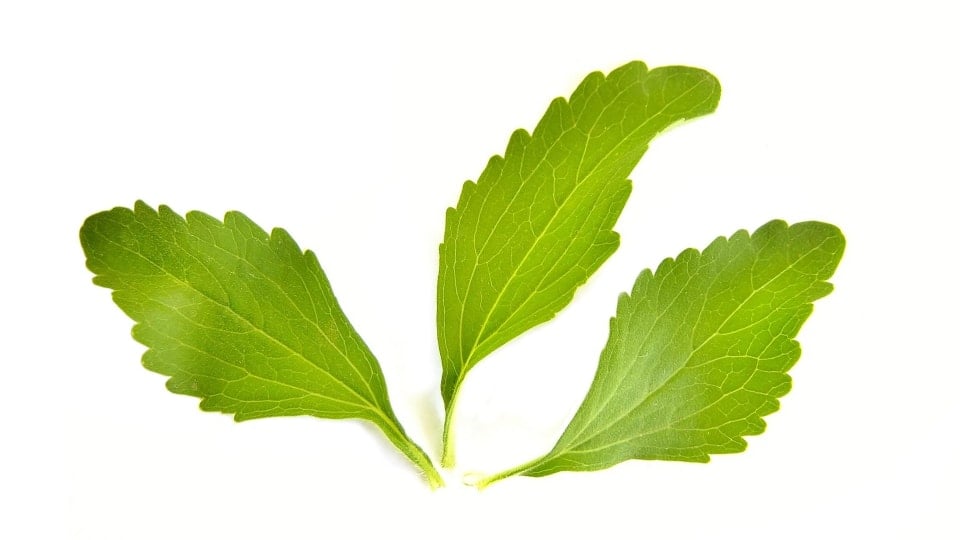
Stevia comes from Stevia rebaudiana, a plant native to Paraguay and Brazil. Historical accounts suggest indigenous Guaraní communities in South America used the leaves of this plant for centuries, both as a sweetener and in traditional herbal preparations.
Commercial cultivation has since spread to many parts of the world, including China, which is now one of the largest producers of stevia extract. In the US, UK, Australia, and New Zealand, stevia is widely recognized and available under various brand names, though the plant itself may be less familiar to you than the packaged product on the shelf.
How is Stevia Processed?
The sweetness of stevia comes from compounds called steviol glycosides, which are extracted from the plant’s dried leaves. The leaves are harvested, dried, and steeped in water to draw out these compounds. The resulting liquid is then filtered and purified to isolate the glycosides.
The final product can range from a minimally processed green leaf powder to a highly refined white extract. Most commercial stevia products use the purified extract form, which is far more concentrated than the raw leaf. Like monk fruit, stevia extract is often blended with bulking agents to make it easier to use in everyday cooking.
What Does Stevia Taste Like?
Stevia has a distinct flavor that not everyone takes to immediately. The sweetness arrives quickly but can be followed by a bitter or slightly licorice-like aftertaste, particularly at higher amounts. This is one of the most commonly noted drawbacks among people trying it for the first time.
The intensity of the aftertaste varies between products and depends on which steviol glycosides are present. Blending stevia with other sweeteners or using it in recipes with strong flavors can help mask the bitterness.
Benefits of Monk Fruit and Stevia
Zero Calories and Low Glycemic Impact
Both monk fruit and stevia provide sweetness without contributing calories, which is one of the main reasons people reach for them. For those managing their weight or monitoring their food intake, replacing sugar with either of these options may help reduce overall calorie consumption without giving up sweet flavors entirely.
Neither sweetener raises blood glucose in the way that refined sugar does. This makes them worth considering for people who are mindful of blood sugar responses, including those managing type 2 diabetes or following a lower-carbohydrate eating pattern. That said, individual responses to food can vary, and it’s worth paying attention to how your body responds rather than assuming a universal outcome.
Plant-Based and Naturally Derived
Both sweeteners come from plants, which appeals to people who prefer to avoid synthetic additives in their food. For those following plant-based diets, monk fruit and stevia fit that preference well.
It’s worth noting that “plant-derived” doesn’t automatically mean unprocessed. Both sweeteners go through significant extraction and refinement before reaching the shelf. The plant origin is genuine, but the final product is quite different from eating the raw fruit or leaf.
Effect on Dental Health
Unlike sugar, neither monk fruit nor stevia feeds the oral bacteria that contribute to tooth decay. Sugar provides fuel for these bacteria, which produce acids that erode tooth enamel over time. Replacing sugar with a non-fermentable sweetener removes that fuel source.
This doesn’t mean either sweetener actively improves dental health, but using them in place of sugar in drinks, baked goods, or snacks may reduce the frequency of acid exposure in the mouth. If you consume a lot of sweet foods or drinks throughout the day, this is a meaningful consideration.
Disadvantages of Monk Fruit and Stevia
Drawbacks of Monk Fruit Sweetener
Monk fruit extract is significantly more expensive than most other sweeteners, including stevia. This is partly due to the limited growing region and the complexity of the extraction process. For everyday use, the cost can add up quickly.
Availability can also be inconsistent. While monk fruit products are increasingly stocked in health food stores and larger supermarkets across the US, UK, Australia, and New Zealand, they aren’t yet as universally accessible as stevia or table sugar.
Drawbacks of Stevia
The aftertaste is the most frequently cited issue with stevia, and it’s a real barrier for some people. Even in small amounts, the bitter or licorice-like finish can be off-putting in drinks or delicate recipes where it’s more noticeable.
Some people also report digestive sensitivity to stevia, especially at higher amounts, though this isn’t universal.
Drawbacks of Both Monk Fruit and Stevia
Monk fruit and stevia aren’t always sold in a pure form. It’s common for both sweeteners to be added to erythritol (a non-nutritive/very low-calorie sweetener). Doing so gives them bulk and texture, enabling them to be measured and used like table sugar.
The problem?
Recent studies have linked erythritol to health risks, primarily cardiovascular and neurological events. Therefore, many health-conscious people are choosing to avoid erythritol.
Pure monk fruit and stevia extracts are available without added erythritol. If you use them in place of sugar in baking recipes, you’ll need to add a bulking agent and may need to make moisture adjustments.
There are two additional concerns worth raising about both monk fruit and stevia.
Firstly, because they’re intensely sweet, regular use may reinforce a preference for sweet-tasting foods. Over time, this can make whole foods like fruit, vegetables, and plain grains taste less satisfying by comparison, which can quietly work against a balanced diet.
Secondly, both sweeteners are non-nutritive. They provide sweetness but no vitamins, minerals, fiber, or other nutrients. When these sweeteners displace more nutrient-dense ingredients in a recipe or eating pattern, it’s a trade-off worth being aware of.
Are Monk Fruit and Stevia Truly All-Natural?
The “all-natural” label on sweetener packaging deserves a closer look. Both monk fruit and stevia do originate from plants, and that part is accurate. The issue is that the final product most people use has been through a multi-step industrial extraction and purification process that bears little resemblance to the original plant.
Regulatory definitions of “natural” vary between countries and aren’t always consistent. In some markets, a product can carry a natural label even after significant processing, as long as the original ingredient was natural.
This doesn’t make either sweetener harmful, but it does mean the label shouldn’t be taken as a guarantee of minimal processing. Reading the ingredient list and understanding what has been added, such as bulking agents or flavour carriers, gives a more complete picture than the front-of-pack claim alone.
Taste and Culinary Performance Compared
Side-by-Side Taste Profile Comparison
Monk fruit and stevia are both much sweeter than table sugar, which means only a small amount is needed to achieve the same level of sweetness. This is worth keeping in mind when you first start using either one, as it’s easy to overdo it.
Monk fruit tends to have a cleaner, more neutral sweetness that most people find easier to work with. Stevia has a more pronounced flavor profile, with that characteristic aftertaste that can divide opinion. In head-to-head comparisons, monk fruit often comes out ahead on taste alone, though personal preference plays a significant role.
For drinks like coffee or tea, both can work well in small amounts. Monk fruit tends to dissolve more cleanly, while stevia can occasionally leave a slightly medicinal taste in plain liquids.
Suitability for Baking and Cooking
Both sweeteners can be used in baking, but they behave differently from sugar in ways that matter. Sugar does more than sweeten in baked goods. It contributes to browning, moisture retention, and texture. Neither monk fruit nor stevia replicates these functions, so recipes often need to be adjusted.
Because both are so concentrated, only a very small amount is needed to match the sweetness of refined sugar. Many recipes that use these sweeteners compensate for the lost bulk by adding ingredients like almond flour, coconut flour, or nut butters. These additions bring their own nutritional value, including healthy fats, protein, and fibre, which the sweeteners themselves don’t provide.
Monk fruit holds up reasonably well at high temperatures, making it suitable for most baking applications. Stevia also tolerates heat, though the aftertaste can become more pronounced when baked into certain recipes.
Versatility Across Different Uses
Both sweeteners are available in multiple forms, including liquid drops, granulated blends, and concentrated powders, making them adaptable for a range of uses. Liquid forms work well in drinks and sauces. Granulated blends are more practical for baking and measuring.
Monk fruit blends that include erythritol tend to behave more like sugar in recipes, which makes them a popular choice for people who bake regularly. However, as mentioned earlier, erythritol may not be the best choice for health-conscious people.
Stevia drops are a convenient option for sweetening drinks on the go. Neither is a perfect one-to-one substitute for sugar in every context, but with a little experimentation, both can be used effectively across a wide range of everyday recipes.

Health and Diet Suitability
Are Monk Fruit and Stevia Healthy?
Calling either sweetener “healthy” requires some context. On their own, both are well-tolerated by most people and don’t appear to cause harm when used in reasonable amounts. They don’t contribute to blood sugar spikes the way refined sugar does, and they don’t feed the bacteria associated with tooth decay.
What they aren’t is nutritious. They provide no meaningful vitamins, minerals, or other compounds that support health. Their value is in what they replace, not what they add. If using them helps you reduce your refined sugar intake without creating other imbalances in your diet, that’s a reasonable outcome. The key is moderation and context, not treating either sweetener as a free pass to consume unlimited sweet foods.
Keto Diet Suitability
Both monk fruit and stevia are commonly used on ketogenic diets because they don’t contribute carbohydrates or raise blood glucose in the way sugar does. For people following a low-carbohydrate eating pattern, they offer a way to include sweet flavors without disrupting the metabolic state the diet aims to maintain.
That said, individual responses to sweeteners can vary. Some people find that sweet tastes, even from non-caloric sources, influence their appetite or cravings in ways that make it harder to stick to a low-carb pattern. Paying attention to your own response matters more than whether a sweetener is technically permitted on a given plan.
Does Monk Fruit or Stevia Break a Fast?
Neither monk fruit nor stevia contains meaningful amounts of calories or carbohydrates, which is why they’re often considered compatible with intermittent fasting. For people fasting primarily for metabolic or weight-related reasons, using a small amount of either sweetener in black coffee or tea is unlikely to interfere with the core goals of the fast.
The picture is less clear when fasting for gut rest or other specific purposes, where even non-caloric compounds may have some effect. If you’re fasting under medical guidance or for a specific health reason, it’s worth checking with your healthcare provider rather than assuming either sweetener is automatically fine in your context.
Safety, Regulation, and Availability
Regulatory Status in the US
In the United States, high-purity stevia extracts (specifically rebaudioside A) have been granted Generally Recognized as Safe (GRAS) status by the FDA. Monk fruit extract also holds GRAS status in the US. Whole-leaf stevia and crude stevia extracts aren’t approved for use as food additives under the same framework.
Regulatory frameworks can change, and the specific conditions of approval may differ between product types and applications. Checking the current status with the relevant food authority in your country is always a reasonable step if you have specific concerns.
Availability and Where to Buy
Stevia is widely available across many markets and can be found in most supermarkets, health food stores, and online retailers. It comes in a range of formats, from small liquid dropper bottles to larger granulated bags, and is stocked by both mainstream and specialty brands.
Monk fruit is less universally available but has become easier to find in recent years. In the US, it is stocked in most health food stores and increasingly in mainstream supermarkets. In the UK, Australia, and New Zealand, availability is growing but may still be limited to health food retailers or online stores in some areas.
Online purchasing is often the most reliable option for monk fruit products outside major urban centres. iHerb is my favorite place to shop for natural health products. They have a wide range of pure monk fruit and stevia extracts. Amazon also has an excellent range of pure monk fruit and stevia. Remember to check the ingredients to see that nothing else has been added.
Cost Comparison
Stevia is generally the more affordable of the two, produced at scale and widely distributed across most markets.
Monk fruit is consistently more expensive. The limited growing region, more complex extraction process, and smaller production volumes all contribute to the higher price point. For occasional use, the cost difference may not matter much. For people who bake regularly or use a sweetener daily, it’s worth factoring into the decision.
Sweeteners and Sugar Alternatives to Avoid
Sucralose
Sucralose is a synthetic sweetener made by chemically modifying sugar molecules. It’s widely used in packaged foods, diet drinks, and tabletop sweetener products. While it has been approved for use in many countries and is considered safe within established intake levels, some research has raised questions about its effects on gut bacteria and metabolic responses.
The evidence isn’t conclusive, and individual responses vary. For most people, occasional use is unlikely to cause problems. If you consume it frequently or in large amounts, you may want to consider monitoring it, particularly if you notice any digestive changes.
Aspartame
Aspartame is one of the most studied food additives in history, and it remains approved for use in most countries. It’s found in a wide range of diet products, from soft drinks to chewing gum. Concerns about its safety have circulated for decades, but regulatory bodies, including the FDA, EFSA, and Food Standards Australia New Zealand, have consistently concluded that it’s safe at typical consumption levels.
In 2023, the International Agency for Research on Cancer (IARC) classified aspartame as “possibly carcinogenic to humans,” though this classification reflects limited evidence and doesn’t indicate a definitive risk at normal dietary intake levels. People with phenylketonuria (PKU) need to avoid aspartame entirely, as they can’t metabolize one of its components.
Saccharin
Saccharin is one of the oldest artificial sweeteners and has a long history of controversy. It was once required to carry a warning label in the US after studies in the 1970s linked it to bladder cancer in rats, though that label was later removed after further research suggested the mechanism wasn’t relevant to humans.
It’s currently approved for use in the US, UK, Australia, and New Zealand. Some people find its metallic aftertaste off-putting, and it’s less commonly used in home cooking than other sweeteners. For those who prefer to minimize synthetic additives, plant-derived alternatives like stevia or monk fruit are a more straightforward choice.
Xylitol
Xylitol is a sugar alcohol found naturally in small amounts in some fruits and vegetables. It’s often used in sugar-free gum, dental products, and some baked goods. Unlike the sweeteners above, it does contain calories, though fewer than sugar, and it has a lower glycemic impact.
One well-documented concern with xylitol is its toxicity to dogs. Even small amounts can cause serious harm, so households with pets need to be careful about storage and disposal.
For humans, the most common side effect is digestive discomfort, including bloating and loose stools, particularly when consumed in larger amounts. Some studies have found that xylitol can affect cardiovascular health, although more research is needed.
Which Sweetener is Better for You?
There’s no single answer that applies to everyone, and that is worth sitting with rather than glossing over. The better choice between monk fruit and stevia depends on your taste preferences, how you plan to use it, your budget, and what else is going on in your diet.
If taste is your priority, monk fruit tends to win on palatability. If cost and accessibility matter more, stevia is the more practical option for most people. If you just want a few drops in your morning coffee, either will do the job.
What matters more than which one you choose is how you use it. Both are reasonable alternatives to refined sugar, but neither is a license to eat unlimited sweet foods. Using them mindfully, as part of a diet rich in whole foods, is where the real value lies. Overusing either sweetener can sustain a preference for sweetness, making it harder to appreciate less-sweet, more nutrient-dense foods over time.
The comparison between these two sweeteners is genuinely close. Both have a place in a balanced approach to eating. The one that works best for you is the one you will use in small amounts, without it becoming a crutch.
Frequently Asked Questions
The main difference comes down to source, taste, and cost. Monk fruit sweetener is derived from a small fruit grown in Southern China, while stevia comes from a plant native to South America. In terms of flavor, monk fruit tends to have a cleaner, more neutral sweetness, while stevia has a more distinctive taste with a bitter or licorice-like aftertaste that some people find noticeable. Monk fruit is generally more expensive and less widely available than stevia.
In many situations, yes, though the flavor difference means the swap isn’t always seamless. In drinks or recipes with strong flavors, the two are fairly interchangeable. In more delicate recipes, stevia’s aftertaste may be more apparent, making monk fruit the better option for those who are sensitive to it. Both are highly concentrated, so the same principle applies to each: start with less than you think you need and adjust from there.
Both are significantly sweeter than table sugar, but the degree varies depending on the product and how it has been processed. Monk fruit extract can be anywhere from 100-250 times sweeter than sugar, while stevia extract is often cited as 200-400 times sweeter. In practical terms, both are sweet enough that a very small amount goes a long way, and the difference between them in everyday use is unlikely to be significant.
What actions might you take next after reading this comparison? Do you have questions about how either sweetener fits into your current eating pattern? Leave a comment below.
DISCLAIMER: This article/page contains affiliate links. This means that if you make a purchase after clicking on one of these links, then we may receive a small commission – at no extra cost to you. See our full disclosure and Privacy Policy for more information. Thank you for supporting the site and helping make it the most helpful holistic health and fitness online magazine it aims to be!



0 Comments