

If you already reach for the bag marked “organic,” you have made a thoughtful choice. But you may also carry a quiet doubt. Does that label actually deliver a cleaner, better-tasting cup, or are you mostly paying for a stamp?
Those are fair questions that are worth answering before you spend more than you need to. Organic is a good starting point, not a finish line. Choosing organic coffee beans tells you something real about how the coffee was farmed. It says very little about freshness, quality, or flavor. This guide covers what the label does and does not promise, how to read a bag of coffee with confidence, and how to match beans to the way you actually drink, so you’re better informed on what is worth knowing before you buy your next bag of organic coffee beans.
(This post includes affiliate links for which we may earn a commission at no extra cost to you should you make a purchase. See our full disclosure and Privacy Policy for more information)
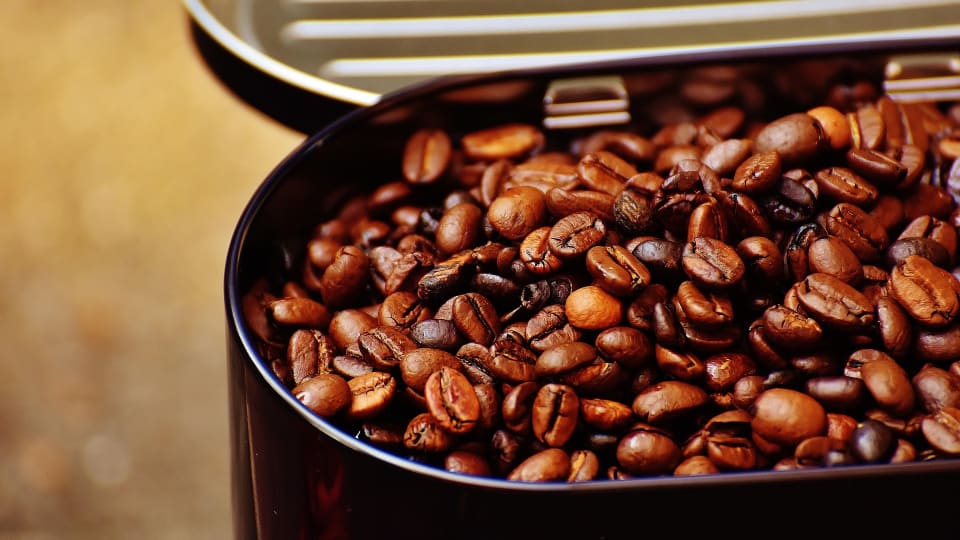
What the Organic Label Really Tells You About Your Coffee
Organic certification describes how coffee is grown, not how it tastes. For beans to carry a seal like USDA Organic, the farm must avoid most synthetic pesticides, herbicides, and fertilizers, and consistently follow those standards to remain certified.
Plenty of shoppers value that, and not only for themselves. Organic farming tends to be gentler on soil, water, and the people working the land. The global organic coffee market was worth roughly USD 7.92 billion in 2024 and is projected to reach USD 13.16 billion by 2030, driven largely by consumers seeking coffee grown to organic standards.
Conventional coffee is often grown with synthetic chemicals, so choosing organic generally reduces exposure to synthetic pesticide residues commonly used in conventional farming.
Organic sourcing usually costs a little more, often 10 to 15 percent above conventional coffee. The smart way to weigh that premium is to compare price per cup rather than per bag, then look closely at what a brand does beyond the organic seal. The seal is the price of entry. The rest is what you are really paying for.
It is also worth knowing exactly what the seal covers. Organic is a farming standard, and nothing more. It is not a flavor rating, a freshness guarantee, or a measure of quality, and it tells you nothing about what else is in the bag. A fully certified coffee can still be low-grade, carelessly stored, or months past its best.
So it helps to think of organic as the floor, not the ceiling. It clears one important hurdle, but on its own, it will not hand you a fresh, flavorful cup. The qualities that do are what genuinely good organic coffee beans share. They are worth learning to spot.

How to Read a Bag of Organic Coffee Beans
Once you move past the label, a few signals predict whether the organic coffee beans will be good. Learn them, and you can read almost any coffee, organic or not.
- Specialty grade. Coffee is professionally scored on a 100-point scale, and coffees scoring 80 points or higher are considered specialty grade. That score is one of the strongest indicators of a bean’s quality and flavor potential.
- A roast date. Coffee gradually loses aroma and complexity after it is roasted, so look for an actual roast date on the bag, not just a distant “best by” date.
- Whole bean over pre-ground. Grinding exposes far more of the bean to air, so whole beans hold their flavor and aroma much longer.
- Transparent sourcing. A named country, region, or farm signals a roaster that knows and cares where its coffee came from.
- Protective packaging. A one-way valve and a resealable, opaque bag keep beans fresher for longer.
Mold and mycotoxins deserve an honest mention, since clean-coffee marketing leans on them so heavily. The plain facts are reassuring. For most healthy people, the trace levels in a cup of brewed coffee sit well below international safety limits, and roasting destroys most of the toxins present. Research of more than 3,200 coffee samples concluded that the ochratoxin A content of coffee is not toxic to consumers.
So third-party lab testing is not about fear. It is about proof. A brand that tests its coffee and publishes the results is simply showing its work.
Most clean coffee competes on what is absent: no pesticides, no mold. But the best organic coffee beans are chosen not just for what is kept out, but also for the antioxidants, such as chlorogenic acids, which contribute to many of coffee’s researched health benefits.
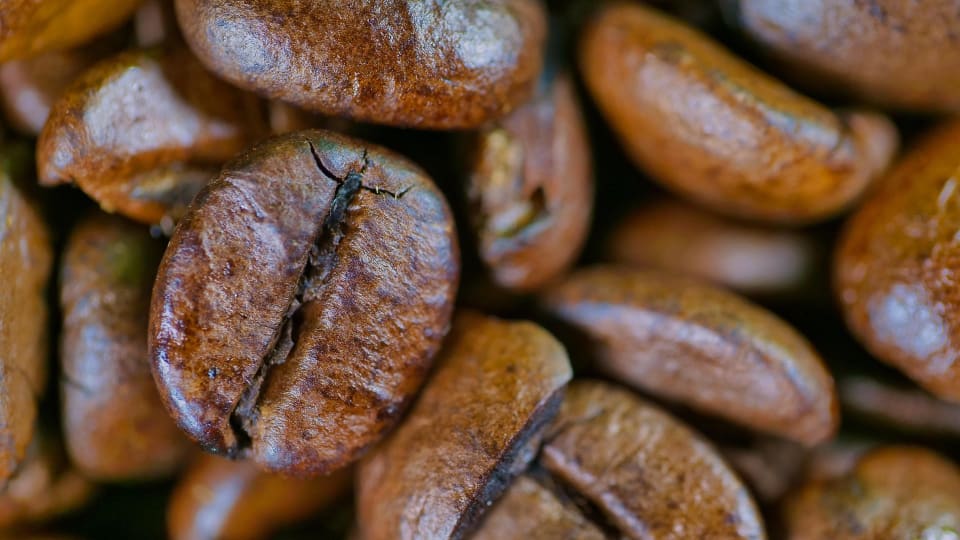
Matching Organic Coffee Beans to the Way You Actually Drink
The best bag for someone else may not be the best bag for you. Here are the three things to look out for:
Roast level. Lighter roasts taste brighter and more delicate, often with fruit or floral notes. Darker roasts taste bolder and deeper, with chocolate or toasted notes. Lighter roasts also keep slightly more of coffee’s natural antioxidants. A common myth we should probably retire is that a darker roast contains more caffeine. Roast changes the taste, not the amount of caffeine.
Caffeine and sensitivity. If coffee tends to leave you jittery or unsettles your stomach, you have more than two options. Reduced-caffeine and decaf beans let you keep the ritual with less caffeine. If you choose decaf, the method matters. Some decaffeination uses chemical solvents. Water-based processes remove caffeine without chemical solvents, which some buyers prefer. Harvard notes that for people who should limit their caffeine intake, decaf can be a healthier option.
Brew method and freshness. Match the beans to your brewing method. Espresso concentrates every flavor, so freshness and quality matter most there. Cold brew rewards a smooth, low-acid roast. Whatever your method, buy only two to four weeks’ worth at a time, and grind just before brewing. Coarse for a French press, fine for espresso. Ground coffee goes stale within days. Filtered water helps too, since water is the cup’s largest ingredient.
This is why some brands offer more than one option. Rather than one generic bag, some roasters offer organic coffee beans matched to intent: a bright, light-medium roast, a bold, dark roast, a reduced-caffeine blend, or true decaf. You can choose by how you want to feel, not just by what happens to be on the shelf.
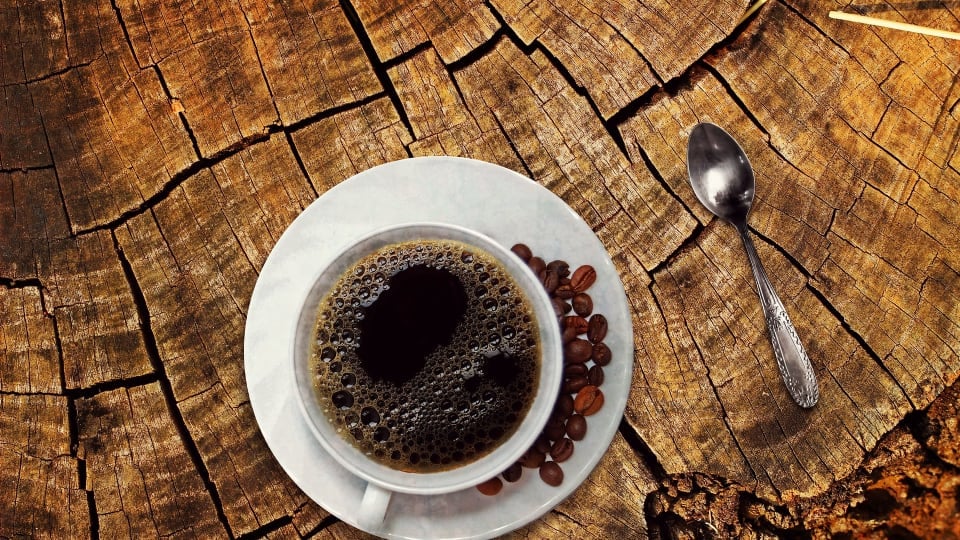
Choosing Your Bag with Confidence
Organic is a smart place to begin. But it is the start of the decision, not the end. The organic coffee beans that deliver a genuinely fresh, flavorful cup are the ones that pair that organic foundation with specialty-grade quality, a recent roast date, honest testing, and a roast and caffeine level that suits you.
The real reward is confidence. You no longer have to take a label’s word for anything, because you can read a bag and choose well yourself. And if you would like a shortcut to beans that already meet those standards, a brand like Purity Coffee (also available at iHerb and Amazon) builds its whole organic range around exactly that: clean, lab-tested, specialty-grade coffee made to balance flavor, freshness, and careful sourcing.
DISCLAIMER: This article/page contains affiliate links. This means that if you make a purchase after clicking on one of these links, then we may receive a small commission – at no extra cost to you. See our full disclosure and Privacy Policy for more information. Thank you for supporting the site and helping make it the most helpful holistic health and fitness online magazine it aims to be!



0 Comments