

Many people have trouble getting the rest they need, tossing and turning or constantly waking up throughout the night. What you eat affects how easily you drift off and whether you stay asleep. From a holistic health perspective, food is more than fuel — it also informs your body. It sends signals that either support rest or quietly work against it, which is why knowing the best superfoods for sleep is important.
Pro-sleep foods provide specific nutrients your body uses to regulate rest, calm the nervous system, and support recovery overnight. You may already know some, while others are more surprising. All of these fit into a balanced, realistic way of eating that promotes overall well-being, not just better nights.
(This post includes affiliate links for which we may earn a commission at no extra cost to you should you make a purchase. See our full disclosure and Privacy Policy for more information)
Foundational nutrients for restful sleep
Your body doesn’t flip a switch at night and suddenly fall asleep. It relies on a few key nutrients to wind down naturally. When those are missing or out of balance, the stages feel lighter, shorter, and restless.
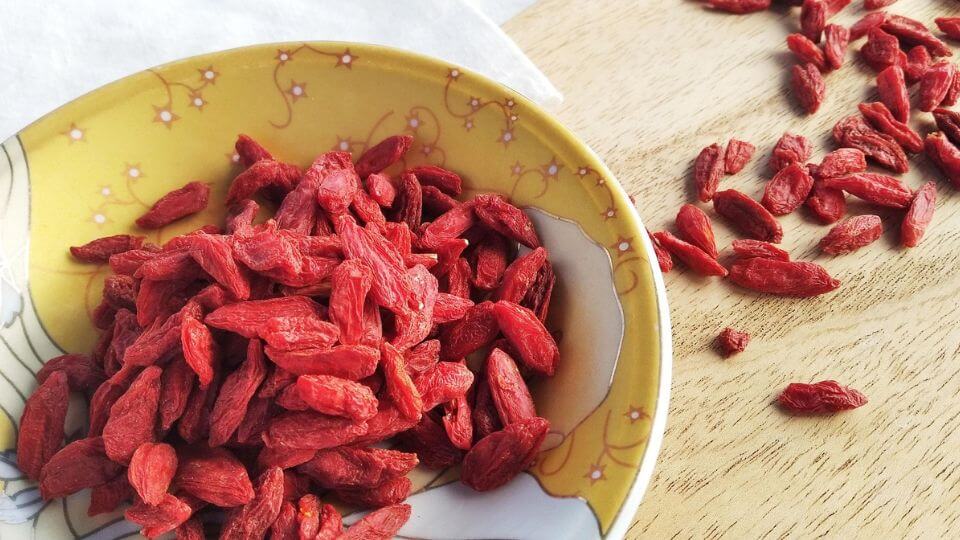
Cherries, oats, goji berries, and pistachio nuts: melatonin masters
Melatonin is the hormone that tells your body it’s time to sleep. Light exposure affects its production, and white light reduces its efficiency by 12.3%, meaning you may need to make up for the deficit. Certain foods naturally contain melatonin or help your body produce more of it.
Foods commonly linked to melatonin support are diverse. Eating tart cherries before bed can raise your melatonin levels, as they naturally contain it and anthocyanins. An oat-rich snack before turning in naturally lowers blood sugar, preventing a spike that could keep you from rest.
Try goji berries, as research shows they improve metabolic health and naturally support blood sugar, which contributes to a more restful state and reduced oxidative stress or inflammation. Pistachios are a firm favorite among health enthusiasts, but the first-ever study into their effects is only now underway to confirm that nut intake improves sleep quality.
Consuming these earlier in the evening may support your natural sleep-wake rhythm, making them an ideal snack while watching TV. Melatonin-boosting foods can improve sleep quality without acting as sedatives.
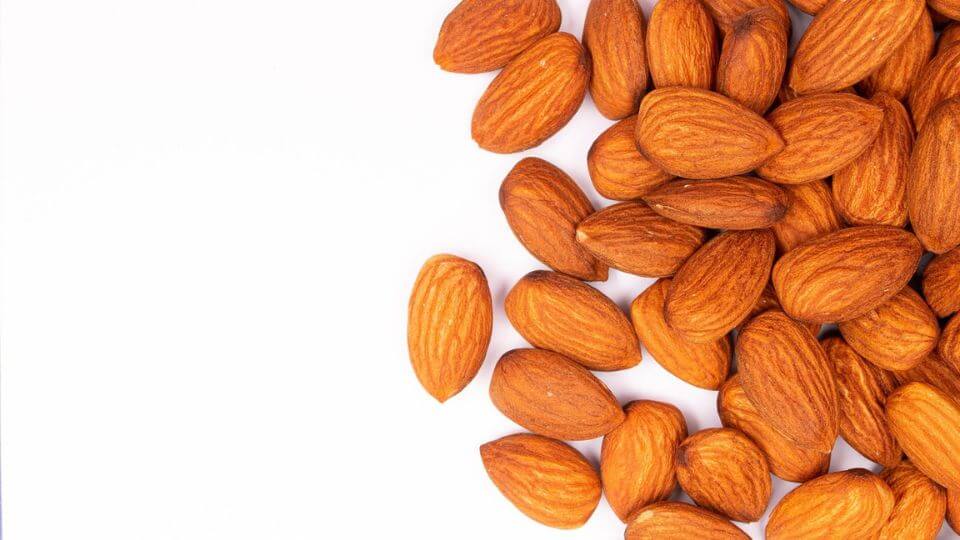
Almonds, sunflower seeds, spinach, and cocoa: magnesium boosters
If you experience muscle cramps or nervous system upsets, magnesium is a go-to nutrient. It relaxes the muscles, soothes restless nerves, and supports a steady heart rhythm. Deficiencies can lead to muscle tension, nighttime cramps, and a racing mind at bedtime.
Superfoods rich in magnesium improve nervous system health and may help you sleep. Eat almonds and cashews, as they contain 92% of your daily value, or 386.10 milligrams per cup. Try pumpkin and sunflower seeds, since they contain L-tryptophan and serotonin, naturally boosting mental well-being and promoting a restful state.
Plate up some spinach and other leafy greens. The balanced nutritional profile of spinach is neuroprotective and supports gut health, thereby improving the brain-gut balance. Have dark chocolate with high cocoa content for dessert. While cocoa won’t improve sleep on its own, 70% cocoa chocolate is magnesium-rich, which will boost your levels over two months of consumption.
The science supports magnesium’s role in nervous system health, as it enhances neurotransmitter signaling that affects brain chemistry, leading to wakefulness or helping you rest.
Poultry, eggs, yogurt, and tofu: tryptophan treasures
Tryptophan is an amino acid your body uses to make serotonin, which then converts into melatonin. You don’t need large amounts, but a steady intake is essential for quality rest.
Common food sources that boost tryptophan include turkey and chicken. While tryptophan levels are low in poultry, they can improve melatonin and serotonin production and regulation. Adding eggs to your diet can help, as one egg contains about 77 mg of the amino acid, most of it in the yolk.
A late-night indulgence of yogurt and cheese can also ease your gut. Soy yogurt contains more tryptophan than milk-based products, almost doubling melatonin production and neurotransmitter interaction for sleep. Tofu contains 143 mg of tryptophan, while whole soybeans contain 208 mg.
Pairing tryptophan-rich foods with a small amount of complex carbohydrates can help with absorption. That’s why a light snack like yogurt with oats often feels calming before bed.

Befriend your gut with superfoods for better sleep
The concepts of rest and digest are more connected than many people realize. Your gut and brain communicate constantly through what is often called the gut-brain axis.
When the gut microbiome is balanced, signals related to mood, relaxation, and sleep tend to function more smoothly. Your gut health, which is determined by your microbiota composition, affects nighttime regulation. An unhappy gut will cause sleep deprivation, skin problems, sugar cravings, and mood swings.
Fermented foods contribute significantly to overall gut health. They contain probiotics, which support a diverse and healthy microbiome. For anyone following a holistic approach, this connection matters because sleep issues rarely exist in isolation.
This is where superfoods for better sleep take an interesting turn. Traditionally fermented options, such as yogurt, kefir, sauerkraut, and kimchi, contribute beneficial bacteria. Fermented pickles can also fit into this category when made in the traditional way. The key is choosing pickles fermented in salt brine rather than preserved in vinegar. Naturally fermented varieties contain live cultures for better digestive health.
Beyond probiotics, pickle brine contains sodium, which plays a role in muscle contraction and nerve signaling. Adequate intake — 2,300 mg daily is enough — reduces muscle cramps that could disrupt your routine.
You don’t have to drink a glass of brine before bed. Small servings of fermented foods earlier in the day or with dinner may help set the stage for better rest later.

Foods that disrupt a good night’s rest
Just as some food supports sleep, others quietly work against it. Timing matters here. What feels fine at lunch may seem very different when you consume it during the evening.
Caffeine, alcohol, and large meals are obvious saboteurs
Some foods interfere with sleep in ways most people recognize. Caffeine from excess coffee, energy drinks, soda, and even too much dark chocolate can fuel wakefulness. Alcohol, which may feel relaxing at first, could disrupt cycles later. Large, heavy meals close to bedtime can activate the digestive system.
Even small amounts of caffeine can stay in your system for hours, and alcohol often reduces deep sleep and increases nighttime awakenings.
Sugar, carbs, and greasy meals become rest disruptors
Other options are less obvious but still impactful. Eating sugary desserts can spike and crash your blood sugar, as can consuming highly refined carbohydrates at night. Spicy or greasy cuisine can cause reflux and discomfort. Very salty processed snacks eaten right before bed may lead to excess sodium intake, which could raise blood pressure.

Enjoy real rest with superfoods for better sleep
Supporting your sleep is about more than a strict plan or perfect food choices. A holistic approach focuses on consistency, balance, and listening to your body.
Try to include superfoods for better sleep more naturally in your diet. Eat balanced meals during the day with protein, fiber, and healthy fats. Include magnesium-rich alternatives regularly and not just at night. Add fermented choices in small amounts with meals and choose a light evening snack if you’re hungry. A simple evening option could be yogurt with walnuts and a few tart cherries. This combination provides nutrients that support relaxation without weighing down your stomach.
Hydration is also important, and drinking enough fluids before retiring for the night can help your brain reach REM sleep stages, where most rest occurs.

A holistic perspective on sleep and food
Focusing on superfoods for better sleep encourages nourishment rather than restriction. It shifts the question from “What should I avoid?” to “What can I add that helps my body rest?” When nutrition supports your nervous system, digestion, and muscles, sleep often follows more naturally. Over time, small, steady changes matter more than unsustainable, dramatic overhauls.
If you enjoyed this article, check out this article about Cognitive Behavioral Therapy for Insomnia, these tips for a simple nighttime routine, and these top natural health supplements for better sleep.
DISCLAIMER: This article/page contains affiliate links. This means that if you make a purchase after clicking on one of these links, then we may receive a small commission – at no extra cost to you. See our full disclosure and Privacy Policy for more information. Thank you for supporting the site and helping make it the most helpful holistic health and fitness online magazine it aims to be!



0 Comments