

If you’ve been looking for a training style that builds real strength without requiring a fully equipped gym, this guide is worth your time. Read on for everything you need to know about streetlifting and find out whether it’s right for you.
What is Streetlifting?
Streetlifting is a strength-training discipline that takes classic bodyweight movements and adds external load. Think pull-ups and dips, but performed with a weighted vest or a dipping belt. The result is a training style that sits somewhere between calisthenics and traditional weightlifting, drawing on the best of both without fully belonging to either.
The name comes from its roots in outdoor training culture, where bars and parallel bars in public parks became the equipment of choice. Over time, people began adding weight to those same movements to keep progressing beyond what bodyweight alone could offer.
What makes this discipline appealing to many people is its accessibility (in terms of equipment and environment). You don’t need a full gym setup to get started, and the movements themselves are grounded in patterns the human body is built for. It rewards patience and consistency, and it scales well as your strength develops.
In streetlifting competitions, 1 rep max (1RM) is the most popular format, so the sport is primarily focused on both relative and absolute maximal strength. In multi-lift competitions (less popular), the goal is to complete as many repetitions as possible with a specified weight and within a specific timeframe.
How did Streetlifting Start?
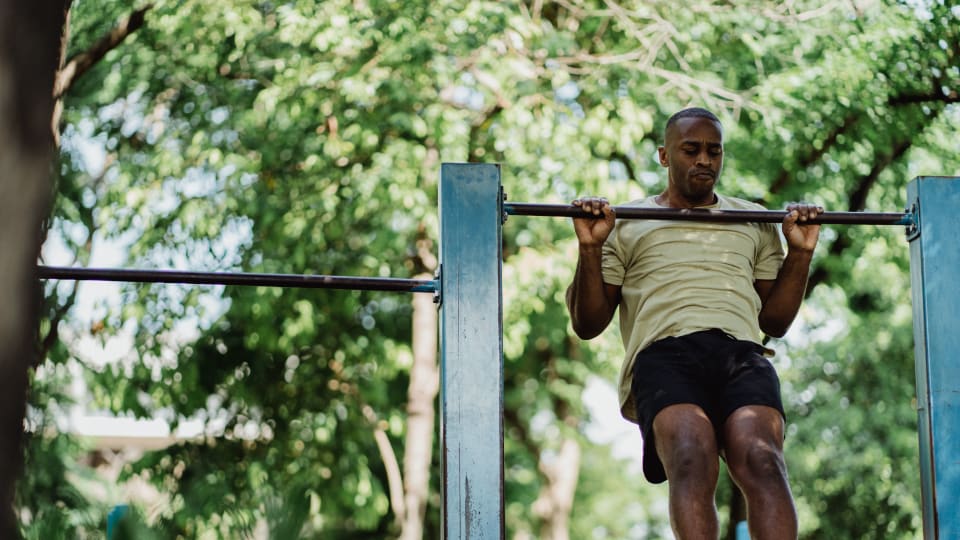
Streetlifting grew out of the broader street workout and calisthenics movement that gained momentum in urban communities, particularly in Eastern Europe and the United States, during the early 2000s. Outdoor fitness parks became gathering points where people trained together, shared techniques, and pushed each other to improve.
When bodyweight alone stopped being enough of a challenge for the foundational movements, adding external load was a natural next step. Weighted pull-ups and dips became a way to keep progressing without abandoning the movements that defined the culture.
Over time, this approach developed its own identity, with dedicated training communities, organized competitions, and a growing body of shared knowledge around programming and technique. What started as a practical solution to a progression problem became a distinct training discipline in its own right.
The Main Exercises of Streetlifting
The four movements that sit at the core of this discipline are weighted pull-ups, weighted dips, weighted muscle-ups, and back squats. Each one is covered in more detail later in this guide, but here is a brief overview of why they matter.
- Pull-ups and dips are the foundational upper body movements, targeting the back, biceps, chest, and triceps with a high degree of muscle involvement
- Muscle-ups combine a pull-up and a dip into a single fluid movement, requiring both strength and coordination
- Back squats bring a lower body compound lift into the mix, rounding out the program with leg and hip development
Together, these four movements cover a significant portion of the body and provide a clear structure for progressive training.
The Benefits of Streetlifting
One of the more practical advantages of this training style is that it does not require a large investment in equipment or a commercial gym membership. A pull-up bar, a set of parallel bars or a dip station, and a way to add load are enough to get started.
Beyond the practical side, the physical benefits are worth noting:
- It builds functional upper body and lower body strength through compound movements
- Adding load to bodyweight exercises creates a clear and measurable progression path
- The movements develop grip strength, shoulder stability, and core control as natural byproducts
- Training outdoors, when that is an option, can support mood and reduce stress, which connects back to overall wellbeing in ways that go beyond the physical
It is also a training style that tends to attract a strong community. Whether you train at an outdoor park or a gym with a pull-up rig, there is often a shared culture of encouragement and mutual progress.
Streetlifting vs Traditional Calisthenics
Both streetlifting and traditional calisthenics are built on the same foundational movements. The difference lies in how each approach structures progression and what it prioritizes as you develop. Understanding that distinction helps you make a more informed choice about where to start and where you want to go.
What is Traditional Calisthenics?
Traditional calisthenics is a form of training that uses bodyweight as the primary resistance. The goal is to develop strength, control, and skill through increasingly demanding variations of movements like push-ups, pull-ups, dips, squats, and more advanced holds such as the front lever or planche.
Progression in traditional calisthenics is largely skill-based. Rather than adding external load, you progress by mastering harder variations of the same movement. A push-up becomes a pike push-up, then a handstand push-up. A pull-up progresses toward an archer pull-up or a one-arm variation. The body itself is the tool, and the goal is to move it with greater control and efficiency over time.
This approach has a long history and is practiced across a wide range of settings, from outdoor parks to gymnastics facilities to home training spaces. It requires very little equipment and can be adapted to almost any environment.
Key Differences Between Streetlifting and Traditional Calisthenics
While the two disciplines share the same movement vocabulary, they diverge in a few meaningful ways.
- Progression method: Traditional calisthenics progresses through harder movement variations; streetlifting progresses by adding external load to established movements
- Skill emphasis: Traditional calisthenics places a high value on body control, balance, and skill development; streetlifting prioritizes strength output under load
- Equipment needs: Both can be done with minimal equipment, but streetlifting requires a way to add external weight, such as a dipping belt or weighted vest
- Measurement: Streetlifting lends itself to straightforward load tracking, similar to barbell training; calisthenics progress is often measured by movement quality and skill milestones
- Community culture: Both have strong communities, but streetlifting has developed its own identity around loaded movement and strength standards
Neither approach is objectively better. They reflect different priorities, and many people find value in drawing from both.
Which is Right for You: Streetlifting or Calisthenics?
Here’s the thing: for most people, traditional calisthenics is the right starting point, regardless of which direction you eventually want to take your training.
Before adding external load to a pull-up or a dip, you need a solid foundation in the movement itself. If you cannot yet perform several consecutive controlled bodyweight pull-ups with good form, adding a weighted vest is unlikely to help and may increase your risk of injury. The same principle applies to dips. Bodyweight competence comes first.
This is not a rigid rule, and the number of reps that signals readiness will vary from person to person. What matters is that the movement feels controlled, your joints are not under undue strain, and you have enough strength to manage the pattern consistently before you start loading it.
If you are drawn to the idea of weighted calisthenics but are new to training, spending time building your bodyweight foundation is not a detour. It’s the preparation that makes everything that follows more effective and more sustainable.
What You Need to Get Started with Streetlifting
One of the more appealing aspects of this training style is that the barrier to entry is relatively low in terms of where you can do it and the equipment involved. What you need is access to the right basic setup and a clear understanding of how to add load safely.
Choosing the Right Training Environment
Streetlifting can be done in a range of settings, and the right choice depends on what is available to you and how you prefer to train.
Outdoor fitness parks with pull-up bars and parallel bars are a natural fit. Many urban areas across the US, Australia, New Zealand, and the UK have these facilities in public spaces, often at no cost. The trade-off is that weather and equipment condition can vary, and not all parks have the setup needed for back squats.
A gym with a pull-up rig, dip station, and squat rack covers all four core movements and gives you a controlled environment year-round. If you are new to the discipline, a gym setting also makes it easier to access guidance and train alongside others.
Some people combine both, using outdoor spaces for pull-ups and dips and a gym for squats. What matters most is that you can train consistently in the environment you choose.
Equipment and Additional Weight in Streetlifting
The equipment list for getting started is short:
- A pull-up bar or overhead bar with enough clearance for full range of motion
- Parallel bars or a dip station
- A squat rack and barbell for back squats
- A way to add external load to bodyweight movements
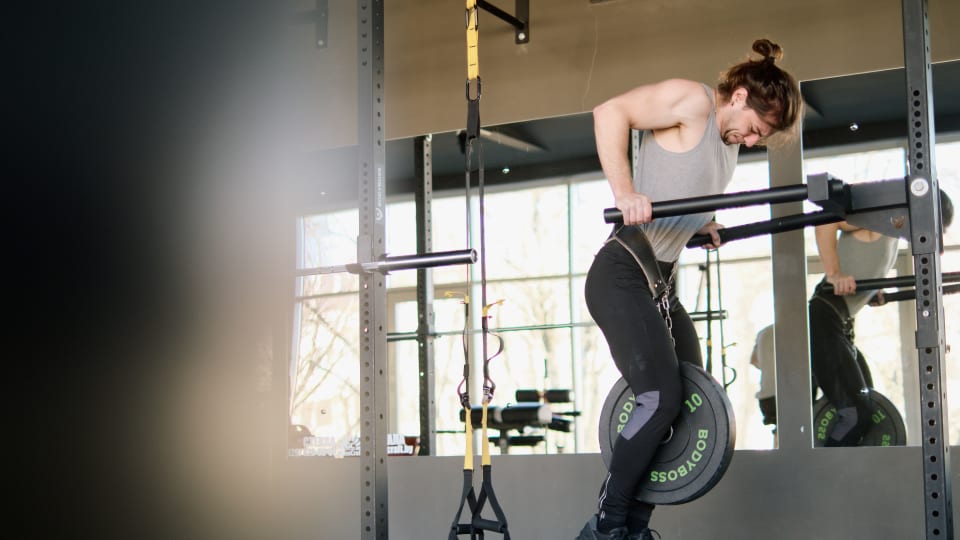
For adding load, the most common options are a dipping belt (a belt with a chain that allows you to hang weight plates) or a weighted vest.
A dipping belt is considered the gold standard. It allows precise load increments and heavier loads, and is used in streetlifting competitions.
A weighted vest distributes load more evenly and can be more comfortable for some people. It’s well suited to secondary training goals, like high-rep calisthenics, but can restrict movement in some exercises.
The Core Lifts of Streetlifting
Four movements form the foundation of this training discipline. Each one brings something distinct to your program, and together they cover a broad range of strength qualities. Before attempting any of them with added load, it is worth understanding what each movement demands and what a beginner should be aware of.
Weighted Pull-Ups
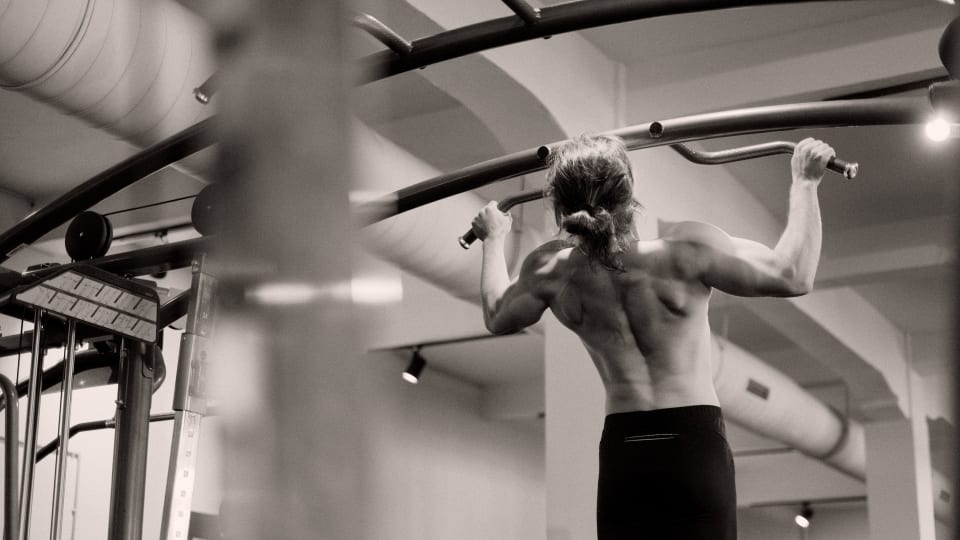
The pull-up is a pulling movement that primarily targets the latissimus dorsi, biceps, and upper back. In its weighted form, external load is added via a dipping belt or weighted vest, increasing the demand on the same muscles that the bodyweight version trains.
For beginners, the priority is developing a set of strong, consistent bodyweight pull-ups before adding any load. This means pulling from a dead hang, achieving full elbow extension at the bottom, and bringing the chin clearly above the bar at the top. Grip width and hand position can vary, except in competitions, where it is standardized. A shoulder-width or slightly wider overhand grip is a reliable starting point.
Weighted Dips
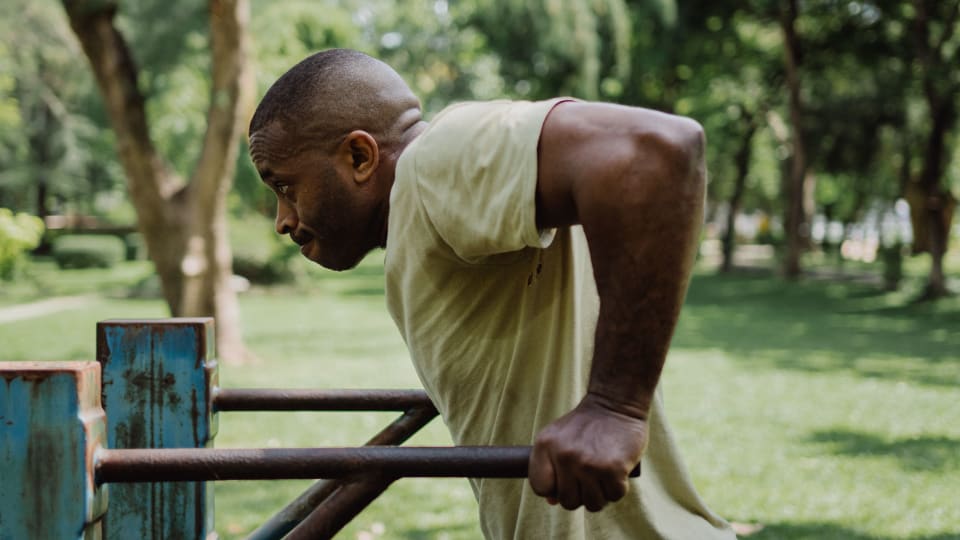
Dips are pushing movements that target the chest, triceps, and anterior deltoids. Performed on parallel bars, they require good shoulder stability and a degree of core control to execute well, particularly as load increases.
The key technical point is to lean the torso slightly forward, which shifts the emphasis toward the chest and deltoids. Doing so allows for safer, easier progression to heavier loads and reduces unnecessary stress on the shoulder. A completely upright posture can place the shoulder joint in a compromised position under load.
As with pull-ups, bodyweight competence comes before added load. If you are still working toward your first set of controlled bodyweight dips, that’s the right place to focus your energy.
Weighted Muscle Ups
The muscle-up is the most technically demanding of the four core movements. It combines a pull-up, a transition, and a dip into a single fluid movement, requiring both upper-body strength and the coordination to shift from a pulling to a pushing position mid-rep. It can be done on a set of gymnastic rings or a bar. In streetlifting competitions, men are restricted to bar muscle-ups, while women can opt to use rings.
For beginners, the muscle-up is not a starting point. It is a goal to work toward once pull-ups and dips are well established. Many people spend months developing the prerequisite strength and technique before their first clean muscle-up, and that timeline is entirely normal.
When you do begin working toward it, the transition phase is where most people struggle. Drills that isolate this portion of the movement can be helpful, and learning the movement with bodyweight before adding any load is non-negotiable.
Back Squats
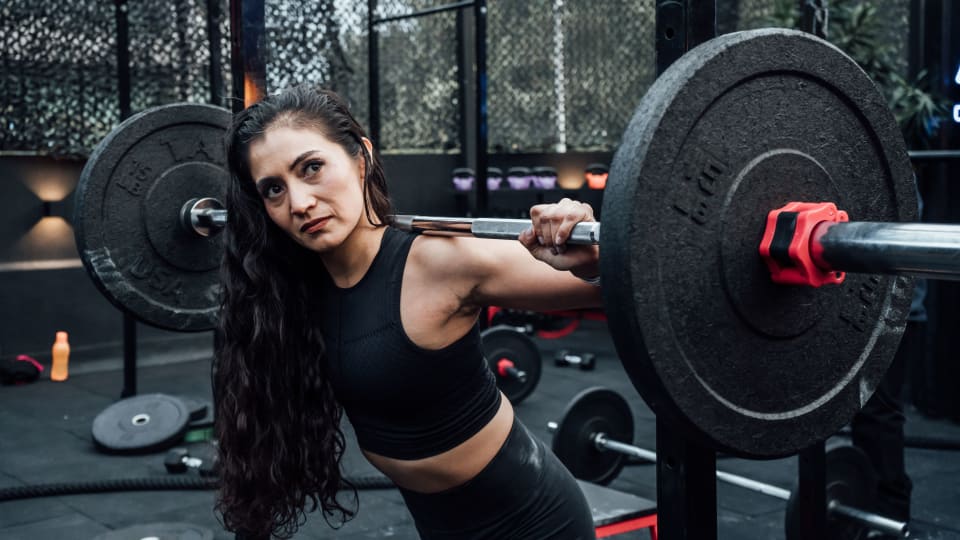
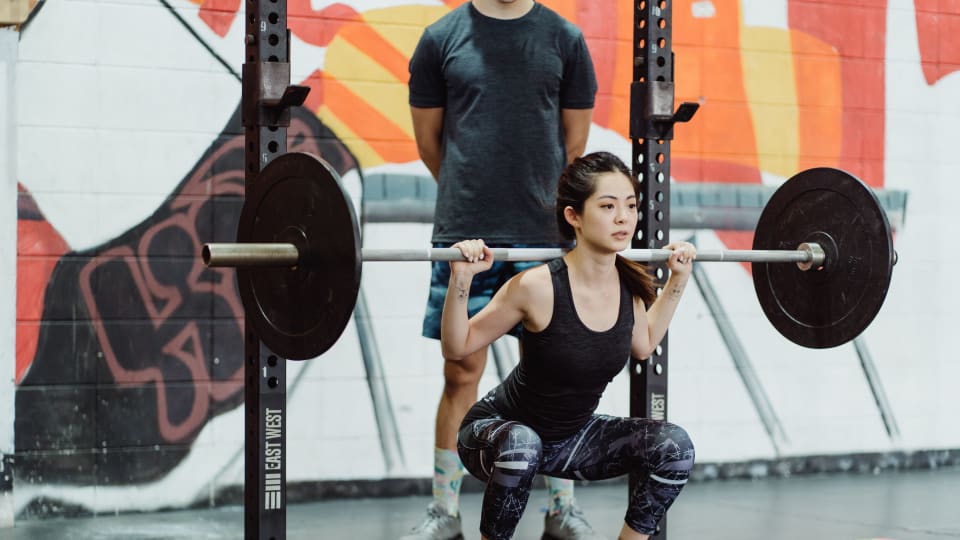
The back squat is the lower body anchor of a streetlifting program. It’s a barbell movement performed in a squat rack, targeting the quadriceps, hamstrings, glutes, and lower back. Its inclusion reflects the discipline’s commitment to whole-body strength rather than upper body development alone.
For beginners, learning the squat pattern with a light load or even just the barbell is the right approach. Depth, knee tracking, controlled movement, and a strong core with a neutral spine are the technical priorities. Rushing to add load before the movement pattern is solid tends to create problems that take longer to fix than they would have taken to prevent.
If you have limited experience with barbell training, working with a coach or experienced training partner for your first few sessions can make a meaningful difference to both your technique and your confidence.
Building Your Streetlifting Training Program
Putting together a training program that works for you is less about finding the perfect template and more about understanding a few core principles and applying them consistently. What follows is a practical framework for getting started, with enough flexibility to fit different schedules, experience levels, and recovery capacities.
Beginner Streetlifting Program
A beginner program does not need to be complicated. The goal at this stage is to build familiarity with the movements, develop a consistent training habit, and lay the groundwork for progressive strength development.
A simple starting structure might look like this:
- Two to three training sessions per week, with rest days between sessions
- Each session focused on one or two of the core movements, with supporting accessory work
- Load kept conservative while technique is being established
- Sessions short enough to complete without significant fatigue accumulating
The frequency and volume that works for you will depend on your current fitness level, how well you recover, and how much time you can realistically commit. Starting with less and building gradually is a more reliable approach than beginning with a high volume that becomes unsustainable.
Warm-Up for Streetlifting
A good warm-up prepares the joints and muscles you are about to load without fatiguing them before the main work begins. For this type of training, that means paying particular attention to the shoulders, elbows, wrists, and hips.
A useful warm-up sequence might include:
- Light cardio or movement to raise body temperature
- Shoulder circles, band pull-aparts, or similar shoulder mobility work
- Scapular pull-ups or dead hangs to prepare the shoulder girdle for pulling movements
- Hip circles and bodyweight squats to prepare for lower body work
- A few lighter sets of the main movement before working up to your training load
The warm-up does not need to be long. What matters is that you arrive at your first working set feeling mobile, warm, and ready to move well.
Primary, Secondary, and Tertiary Training Days
As your training develops, you may find it useful to organize your sessions around a hierarchy of priority. Not every session needs to give equal attention to every movement.
A primary training day focuses on the main lifts and heavy loads. A secondary day supports the primary work with lift variations and usually higher reps with a lighter load. A tertiary day, if included, might focus on accessory work, mobility, or lower-intensity practice.
This structure is not a fixed rule. Some people train with a simpler approach and make excellent progress. The value of thinking in terms of primary, secondary, and tertiary sessions is that it helps you allocate your energy and recovery more deliberately, which becomes more relevant as training volume increases.
Understanding Specificity in Your Training
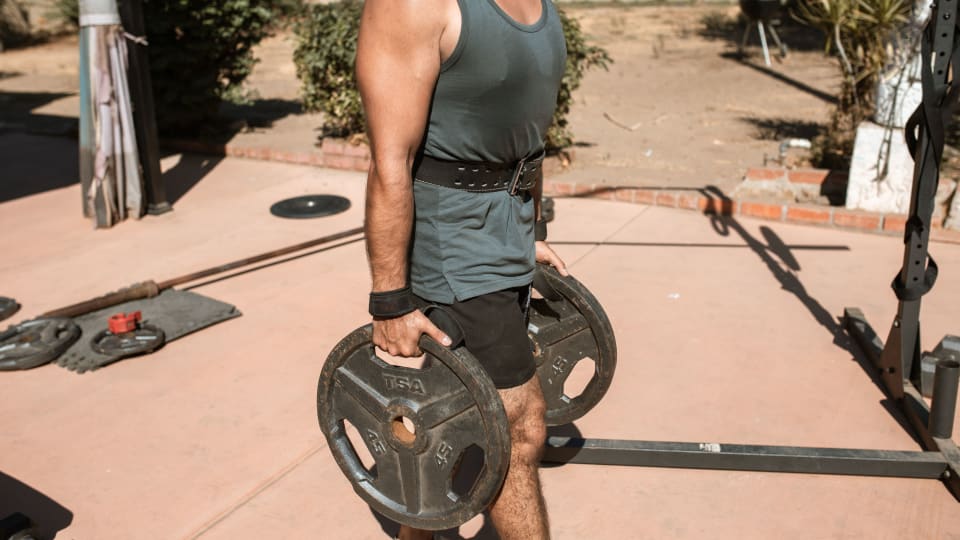
Specificity is the principle that your body adapts to the specific demands you place on it. If you want to get stronger at weighted pull-ups, the most direct path is to train weighted pull-ups. Supporting work has value, but it does not replace practice of the movement itself.
For beginners, this principle is worth keeping in mind when you are tempted to fill your program with a wide variety of exercises. A focused approach that prioritizes the core movements and builds volume gradually tends to produce more consistent results than a scattered one.
Specificity also applies to load. Remember, streetlifting is primarily a 1RM sport. Therefore, although high-rep sets have their place in your training, you will also need to do heavy sets/maximal lifts for the central nervous system adaptation that you’re after.
Training with loads that are appropriate for your current level, neither too light to create a training stimulus nor too heavy to maintain good form, will help drive adaptation over time.
Program Progression in Streetlifting
Progression is the mechanism through which you get stronger. In this discipline, the most straightforward progression is to increase the load on a movement once you can perform it with good form within your target rep range.
A few principles worth keeping in mind:
- Small, frequent load increases tend to work better than large jumps, particularly for upper body movements
- If you cannot maintain form with a given load, reducing the weight and building back up is a more productive response than pushing through poor technique
- Progression is not always linear. Weeks where you maintain rather than increase load are a normal part of training, not a sign that something is wrong
- Recovery, sleep, and nutrition all influence how well you adapt to training. Addressing those factors supports your progress in ways that program design alone cannot
How to Track and Measure Your Progress in Streetlifting
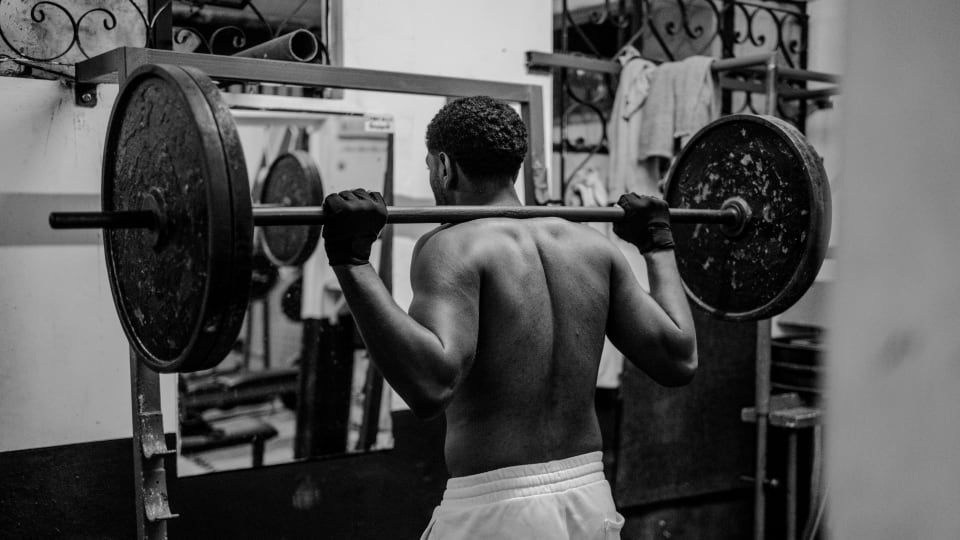
Tracking your training gives you a clear picture of where you are and what is working. At a minimum, recording the movements you trained, the load used, and the reps completed gives you a reference point for each subsequent session.
Beyond load and reps, it is worth noting how movements felt. A session where you hit the same numbers as last week but with noticeably better form is genuine progress, even if the numbers did not change.
Other markers worth paying attention to over time include:
- Whether bodyweight movements feel easier than they did when you started
- Improvements in grip strength and endurance
- Changes in how quickly you recover between sets
- Your ability to maintain technique under fatigue
Progress in strength training is rarely dramatic from week to week. Zooming out and comparing where you are now to where you were a few months ago tends to give a more accurate and encouraging picture.
Frequently Asked Questions About Streetlifting
Yes, with the right approach. The movements at the core of this discipline are accessible to most people with a solid background in fitness and strength training. The progression structure is clear enough that beginners can follow it without needing a complex program.
The main caveat is that a strong bodyweight foundation is needed before adding external load. If you are new to training altogether, spending time building basic pull-up and dip strength first is the most sensible path. That foundation makes the transition to weighted work safer and more effective.
If you have some training background but are new to calisthenics-style movements, you may find the learning curve steeper than expected. The movements require coordination and joint stability that take time to develop. That’s not a reason to avoid them. It’s a reason to be patient with the process.
This varies considerably depending on your starting point, how consistently you train, and how well you support your training with sleep and nutrition. There is no honest answer that applies to everyone.
What most people notice first is an improvement in how the movements feel. Pull-ups that once felt grinding become more controlled. Dips that required significant effort start to feel more manageable. These qualitative changes often precede measurable strength gains and are worth paying attention to.
Meaningful strength development typically takes weeks to months of consistent training. Thinking in terms of months rather than weeks sets more realistic expectations and keeps you from abandoning a program before it has had time to work.
For most of the core movements, yes. Pull-ups and dips can be trained on outdoor bars, and adding load to them requires only a dipping belt or a weighted vest, neither of which requires a gym. Many people train these movements entirely outdoors.
The exception is the back squat, which requires a barbell and squat rack. If you don’t have access to a gym, you can substitute lower-body movements such as Bulgarian split squats with a loaded backpack or goblet squats with a kettlebell or dumbbell. These are not identical substitutes, but they can support lower-body development while you work within your available setup.
If outdoor training is your preference, it is worth scouting local parks and fitness areas to find out what’s available. Many urban areas have more outdoor fitness infrastructure than people realize, and the community that tends to gather around those spaces can be a genuine source of motivation and guidance.
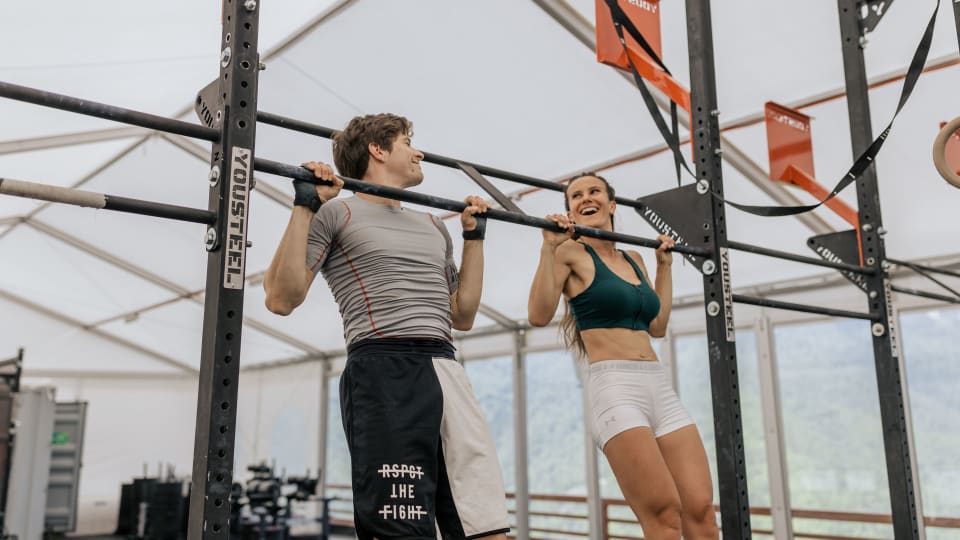
Getting started with weighted calisthenics does not require a perfect setup or a complicated plan. Build your bodyweight foundation first, choose an environment you can train in consistently, and add load gradually as your strength develops. Those three principles cover most of what matters when you are starting out with streetlifting. If this guide has sparked your interest, the next step is simple: find a bar, start pulling, and see where it takes you.
What questions do you have about getting started? Drop them in the comments below.


0 Comments