

Hypopressive fitness has gained popularity in recent years as a gentle, versatile technique to strengthen the pelvic floor muscles and help manage various conditions like pelvic organ prolapse. It has specific benefits for both men’s and women’s health and is easy to learn. Understanding what hypopressive exercises are is one thing — the key is understanding how to use them. Here is what you need to know to get started.
What are hypopressive exercises?
These exercises blend a special type of breathing with one or more specific postures. Together, the breathing and postures help decrease pressure in your abdomen while strengthening core muscles. This reduction in pressure is the key difference between hypopressive exercises and other common core exercises, such as crunches.
Why abdominal pressure matters
Imagine your core is a container. The top is your diaphragm — your breathing muscle. The bottom is your pelvic floor, and the sides are your deep abdominal and back muscles.
When you do a crunch, you are squeezing that container. The pressure has to go somewhere. It pushes down on the pelvic floor and out on the abdominal wall. Over time, for some people, this downward force can weaken the pelvic floor, contributing to issues like:
- Stress incontinence, such as leaking urine when you laugh, sneeze, or jump.
- Needing the toilet suddenly (urge incontinence)
- Painful sex
Hypopressive exercises are different. With these, posture and breathing combine to create a vacuum effect. This gently lifts pelvic organs higher, reducing abdominal pressure.

How to perform your first hypopressive exercises
The basics of hypopressive exercises are simple to master. Begin with:
- Finding your starting position: Choose a comfortable standing position to begin. Stand with your legs slightly apart and your knees slightly bent. Bend forward enough to put your hands on your knees or lower thighs.
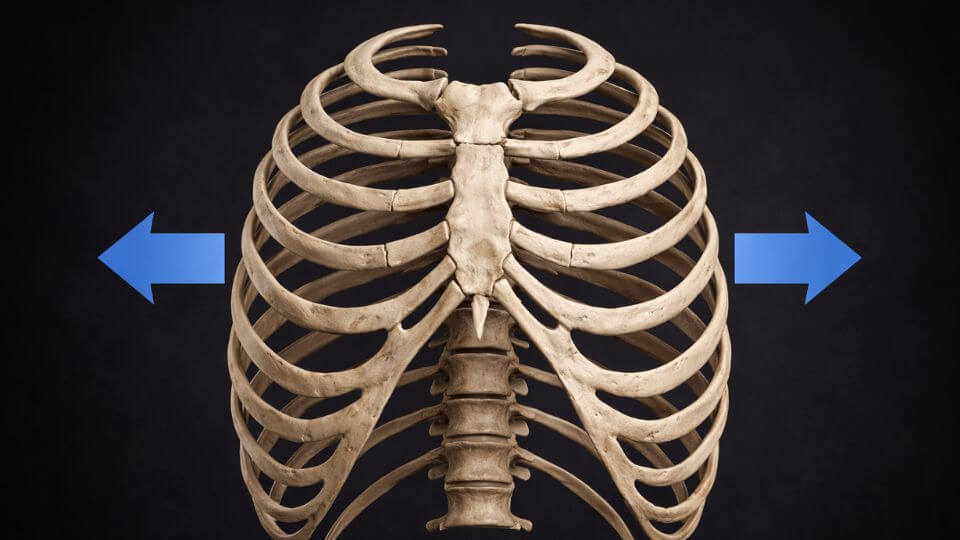
- Take a few deep breaths: Breathe in deeply, focusing on allowing your rib cage to expand out to the sides. Breathe out, allowing your rib cage to relax inwards. Repeat a few times before continuing to the hypopressive exercise below.
- Performing the exhale: Breathe out slowly and completely, emptying your lungs as far as you can.
- Performing the false inhale: Hold your breath and expand your rib cage to the sides, as if you were taking a deep inhale, but without actually breathing in. This is the hypopressive part of the exercise, which decreases the pressure in your abdomen and lifts your organs. You will feel your tummy draw in and your pelvic floor lift. Keep your tummy soft while performing the hypopressive breath.
- Holding and releasing: Hold for a few seconds before slowly and gently releasing and returning to normal breathing.
Once you have tried this a few times and feel comfortable with it, you can move on to more advanced variations. Note that you may need to stay with the basic technique if you are not used to breathing into the ribs.
More advanced poses and positions to try
Although hypopressives are often done in a forward-leaning position, you may find it easier to start upright. To begin with, it may be easiest to perform the exercise with your hands on your rib cage. Doing so helps you to focus on the sensation of allowing the ribs to expand sideways.
You can perform hypopressive exercises in many different positions, such as:
- Sitting cross-legged
- Lying down with your arms stretched above your head and your legs flat
- Lying down with your legs bent
- Posing on all fours
- Holding a plank (advanced)
The goal in each position is to create the same gentle vacuum effect.
Try performing a sequence of different poses and repeating the technique in each one. Alternatively, stick to one or two favorite positions and repeat the technique several times in that pose.
If you have a pelvic organ prolapse, you can add a Kegel exercise at the end of your hypopressive breath. Ensure you master the basic hypopressive (vacuum) breath first, as it’s the primary focus.
What are the main hyporessives benefits?
Apart from protecting your pelvic floor, this technique offers significant benefits for various people.
Hypopressive exercise benefits for women
The technique is highly regarded for its impact on women’s health. It is especially useful for recovery after childbirth and for pelvic organ prolapse. Hypopressive exercise has been proven to help heal diastasis recti, a common abdominal muscle condition that often occurs after pregnancy and birth.
Studies have also shown that 8 weeks of hypopressive exercise can improve pelvic floor strength in women and decrease urinary incontinence. A stronger pelvic floor decreases the risk of prolapse and other gynecological issues, as well as supports good sexual health.
Hypopressive exercise benefits for men
With prostate cancer still the second most common male cancer, pelvic floor strength is also vital for men. Prostate removal surgery can lead to incontinence issues, and traditional pelvic floor exercises have long been part of post-surgery rehab for men. However, an initial study suggested that hypopressive exercises offer additional benefit in regaining urinary control.
Research into this is ongoing, with a new clinical trial testing whether such exercises can also aid treatment of erectile dysfunction post-surgery. This seems promising because male pelvic floor strength is critical to healthy sexual function.
Improved core stability and respiratory function
Maintaining good health requires strong core muscles, and that is what hypopressive exercises are great for — without the risks sometimes associated with other core exercises.
Another key element of good health and fitness is respiratory function. This technique has been shown to improve lung function in women across an eight-week trial period. This, in turn, can lead to better athletic performance or an improved quality of life for those with respiratory conditions.
How do hypopressive exercises impact mental health?
The focused breathing required in these exercises is a powerful tool for calming the nervous system. All conscious breathing practices relax your body’s fight-or-flight instincts, signalling to your body that you are safe. This reduces stress and anxiety and promotes a sense of peace.
Incorporating hypopressive exercises into your daily routine can help soothe your overall mental health and well-being.
How to add hypopressives to your exercise routine
Start slow and small, with just a few moments each day in one or two poses. As you get used to this habit, you can expand it gradually by increasing the duration or complexity of the poses you use.
Think of it as a dedicated 10-minute routine in the morning or as a focused cool-down after a workout. Perform them independently, not during other movements or exercises.
What are hypopressive exercise safety considerations?
If you are pregnant or have any of the following conditions, ask your doctor before trying this technique.
- High blood pressure
- Heart disease
- Chronic Obstructive Pulmonary Disease (COPD)
- Hernia
- Recent abdominal surgery
Otherwise, hypopressives are generally considered safe. You may wish to avoid this exercise immediately after eating. Common sense guidance applies, such as stopping immediately if you experience pain or discomfort.
Frequently asked questions about hypopressive exercise
Here are answers to some common questions about this practice.
What should a hypopressive exercise feel like when performed correctly?
The sensation is unique and quite different from any other core work. You should not feel pain. Instead, you should notice a “hollowing” of your abdomen as it draws up and inward during the false inhale.
Some people describe it as a gentle suction or lifting sensation deep in the pelvis. It can feel strange at first. That feeling is a good thing because it shows that you have reduced internal pressure. That’s what hypopressive exercises are for, so if you feel that sensation, you’re doing well.
How quickly can I expect to see or feel results?
Many people report feeling a difference quite quickly. You might notice improved posture, a feeling of being lighter, or a better connection to your core within a few weeks.
More visible results, such as a more toned appearance, take longer and may not be noticeable for several months. Consistency is key.

Should I replace my other core workouts, like planks or crunches, with hypopressive exercises instead?
It’s best to think of this technique as a complement to your routine, not as a total replacement. Traditional exercises are excellent for building strength and endurance, as they teach your core to brace against a load. They do put pressure on your pelvic floor, but balancing them with hypopressives is ideal. A truly strong, functional core benefits from both types of exercises.
Hypropressives can be combined with other safe core exercises as part of an effective postpartum exercise plan.
Breathe new life into your core
Hypopressive exercise helps you train deep, foundational muscles from the inside out. It offers specific gynecological benefits for women and strong potential health benefits for men — but everyone can benefit from its core strengthening function and pelvic floor protection. This breath-based practice is an excellent way to develop a more functional and resilient core for long-term health.


0 Comments